VESTING DAILY
Good morning!
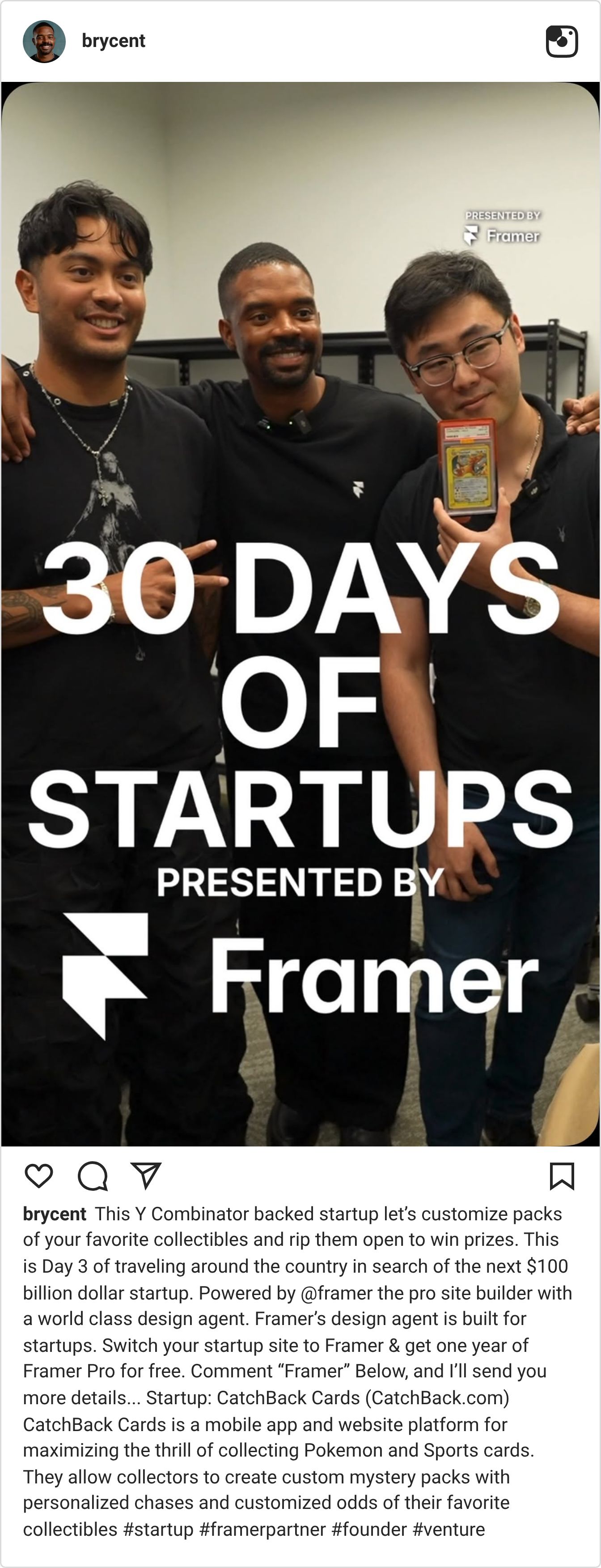
Day three of 30 Days of Startups is live. Every day this month we are touring a new startup and talking to the founders, hosted by our good friends at Framer. Catch today's episode here:
In the news, Sequoia rewrote itself in a single X post before most of you were awake, Canva made its first layoffs in 13 years and pointed at its AI bill, and the midterms produced a number about data centers that every founder buying compute should read. Let's get into it.
The One Number
85 percent

Forty-one towns and counties in ten states put a data center question on Tuesday’s ballot, and by the SF Standard’s election-night count at least 35 of them voted to ban or limit construction. That is 85 percent. Before last week, according to Ballotpedia, voters in all of 2026 had decided six of these, every one for more limits. One Tuesday added about seven times the year’s total, and where the count is in it was not close. Ashville, Ohio rejected its data center 1,469 to 331.
We should say what the measures do not do. A no vote in a Kansas town does not stop Microsoft, which will build two counties over, or in Wisconsin, or in a country that does not hold referendums on substations. The hyperscalers buy land years ahead, and much of what comes online in 2027 was permitted long before anyone printed a ballot. Nobody is cancelling a campus because of Tuesday.
What changed is where the bottleneck sits. For three years the hard part of building AI capacity was getting chips, which is a problem money solves. Now it is getting a grid hookup and a permit, which is a problem votes solve, and the votes went the other way. NBC’s exit poll had 56 percent of voters calling AI or data centers a major factor in their House vote, and The Information counts more than 20 governor candidates who ran on some version of a moratorium. Northern Virginia already takes about seven years to connect 100 megawatts, which is why operators are bolting converted jet engines onto sites to get electricity in two. Each workaround costs more than the last. We would not bet on the 35 to the digit, since Ballotpedia had certified one result by 9:45am, but the direction has held in every one of these votes this year.
For a founder this lands in one place: the price of a GPU hour in 2027 now carries a line for local politics, and it is not a line you can negotiate. Capacity in a region that already exists is worth more than it was on Monday. A contract that depends on a site still being built is worth less, and your provider knows which of its planned sites went on a ballot this week, so ask. OpenAI’s plan to rename data centers “AI compute campuses” after the midterms was reported four days ago. On Tuesday’s evidence it may need more than a name.
The Fact Sheet
Fal ($1.3B Raised, $16B Valuation, Series F). San Francisco inference platform for image and video models, now at more than $800 million in annualized revenue, announcing a Series E and a Series F together for $1.65 billion combined; the valuation was $8 billion in April. The company's own post never mentions a dollar figure, and the $16 billion comes from Bloomberg. Backed by Bessemer and Sequoia.
Sentra ($150M Raised). New York and Tel Aviv data security company that controls which humans and AI agents can touch which data; the prior round was a $50 million Series B 18 months ago. Backed by Capital One Ventures and Bessemer.
Rgenta Therapeutics ($130.1M Series B, per a Form D filed Nov 3). Woburn, Massachusetts RNA-targeting drug developer that has sold $41.9 million of the round to nine investors so far and has not announced it anywhere; its news page ends on Oct 22 with an FDA meeting. Prior round was a $52 million Series A.
Traversal ($120M Raised, $1B Valuation, Series B). New York AI agents that investigate production outages and find the root cause; the company says monthly investigations went from 513 to about 73,000 this year. As of 9:40am ET the announcement post still had a testimonial attributed to "NAME" and the same customer quote printed twice. Backed by Kleiner Perkins, Redpoint and Khosla Ventures.
Pliant ($80M Raised, Series C). Berlin and New York B2B payments platform past $100 million in ARR that is opening card issuing and payment accounts to AI agents over MCP. Backed by Seaya Nova and Speedinvest.
EloElo ($80M Raised, $500M Valuation, Series C). Bengaluru microdrama app with 5,000 titles in six languages, a new drama every three hours and 95 minutes a day per user, taking NBCUniversal's money to launch in the US. Backed by Hornbill Capital and NBCUniversal.
Shackleton AI ($5M Raised, Seed). New York AI agents that draft RFIs and chase overdue submittals for general contractors, built by founders who run a $35 million a year GC and used it on their own jobs first. Backed by Battery Ventures.
Impossible Diamond ($6.4M, Series B, conversion of SAFEs and notes per a Form D filed Nov 4). The company formerly known as Aether, which sold diamonds made from captured carbon out of New York, now files from Starkville, Mississippi with 24 investors and a minimum investment of one dollar.
Also raised: Crediflow AI £1.5M (Manchester), ShareWillow $4.7M of a $6.2M Seed-3 (Form D), Newcoda $1.27M (Miami), FastAccess AI $525K (Leesburg, VA), VARRD $250K (Wheaton, IL).
Headlines, No Fluff
→ Sequoia shut its accelerator, its scouts program, its London office and its Monday partner meeting in one post, and raised $10 billion. The post went up at 7:45am ET under the names of all seven general partners. Arc, the batch accelerator, is sunset. Scouts is sunset. "Early & Growth" is gone as a structure, and the London office, opened six years ago, is closing because "we simply don't see the need for a local presence." Reuters confirmed the office within 90 minutes; Sequoia says the ~$10 billion is already raised. The founders who got into Arc are the last ones who will.
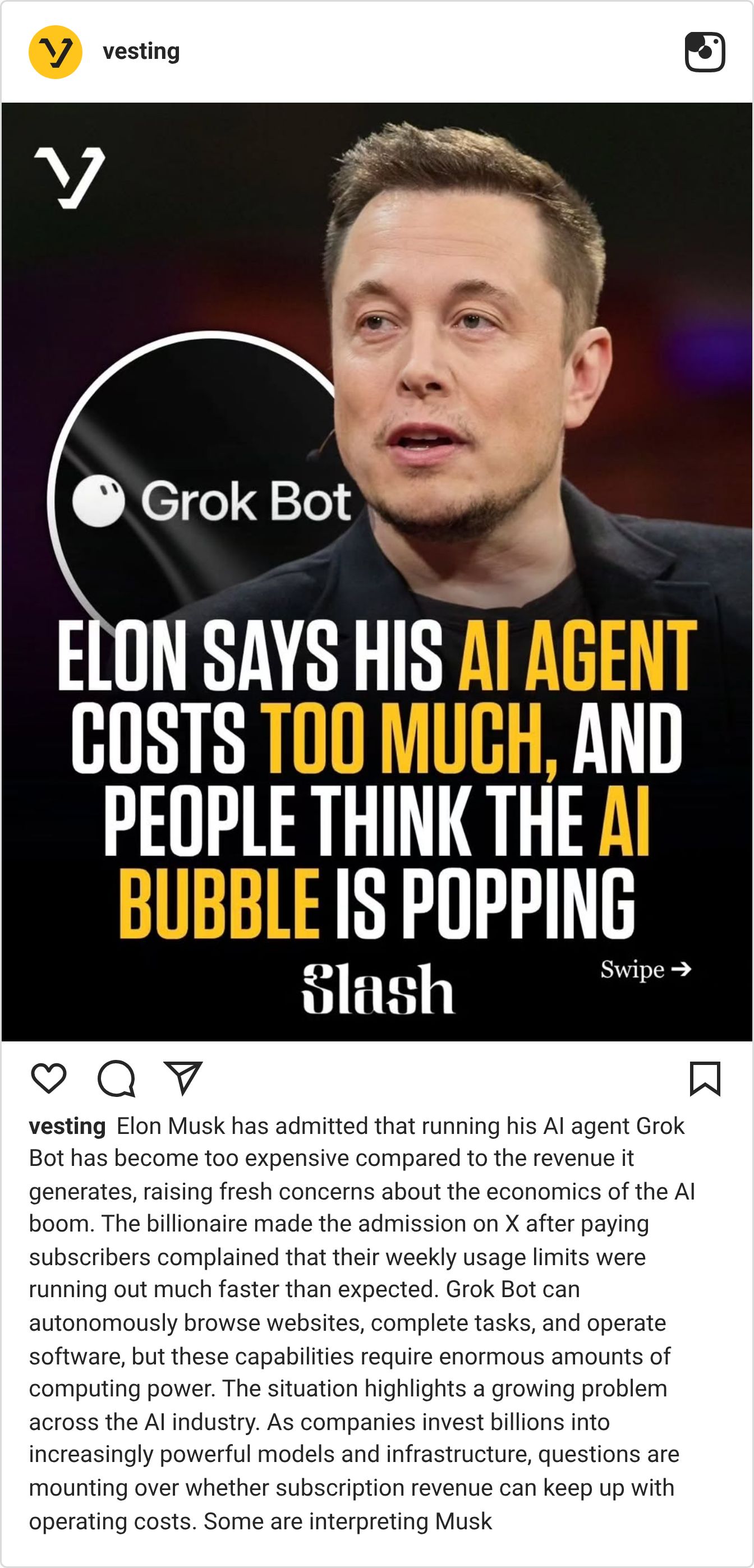
→ Canva cut 22 percent of its staff and said the cost of the AI it sells is why growth slowed. 1,271 people are going, which puts the company near 5,800 before the cut and marks its first layoffs in 13 years. CEO Melanie Perkins called it "our hardest year yet" and said growth "has slowed for the first time in a decade." The revenue growth forecast dropped to 20 percent from 30, early investors marked the company to about $35 billion earlier this year, and product, growth and platform are being merged into one team. The headline says "over 1,200." The memo says 1,271.
→ CrowdStrike is paying about $495 million for two AI security startups that raised $113 million between them. Fiddler AI, founded 2018 with $99 million raised, goes for about $400 million and becomes "Falcon Observe." Dreadnode, founded 2023 with $14 million raised, goes for about $95 million, which is 6.8 times its capital in three years. The prices come from the Wall Street Journal; CrowdStrike's own post names neither a price nor Dreadnode. Gartner has the market for securing AI at almost $5 billion in 2027. The younger company got the better multiple.
→ Explorium raised $127 million, pivoted to AI agents, and shut down this morning after nine years. The Israeli data company had about 130 employees at its last raise, a $75 million Series C led by Insight in May 2021, and spent the past two years turning itself into a toolkit for AI agents. Co-founders Omer Har and Or Tamir wrote that growth over the past year "just wasn't enough." Their third co-founder, Maor Shlomo, left earlier and started Base44, which Wix bought for $80 million. One founder's exit was the other two's competitor.
→ Revolut sold shares at $115 billion, up 53 percent in a year, and none of the money went to Revolut. It was a secondary, existing holders selling to Glade Brook, Coatue and T. Rowe Price, so the implied prior mark was about $75 billion and the company's balance sheet did not move. Revolut did about $6 billion of revenue in 2025 at a 38 percent margin. The line for this audience: nearly half of its new US customers are newly incorporated companies, and the US bank launches in the first half of 2027. Your next startup's first bank account is a line item in a $115 billion secondary.
On Vesting
Open Doors
Fresh:
Still open:
Coming: Berkeley SkyDeck Batch 24 opens in January ($210,000); South Park Commons Spring 2027 fellowship opens later this year ($1 million). Sequoia Arc is no longer on this list.
🤝 How Vesting Can Help You
We read everything so you do not have to, and some of what we read should be about you. If you are a founder with a launch or a raise, a fund with a thesis, or a company that wants to be in front of 20-something operators before they are famous, reply to this email.
Till next time,
The Vesting Team (Brycent, Ajay, and Kamil)